
A major writer of French Literature, Tournier always questioned the archetype of occidental wisdom. This book is a compilation of translations of Michel Tournier's famous stories, including "Bonmorog", "Mata Santa Claus", "Fetish", "Baghini", and many others. This book has been translated by Dr. Kanchana Mukhopadhyay and is the first Indian translation of his unique stories.
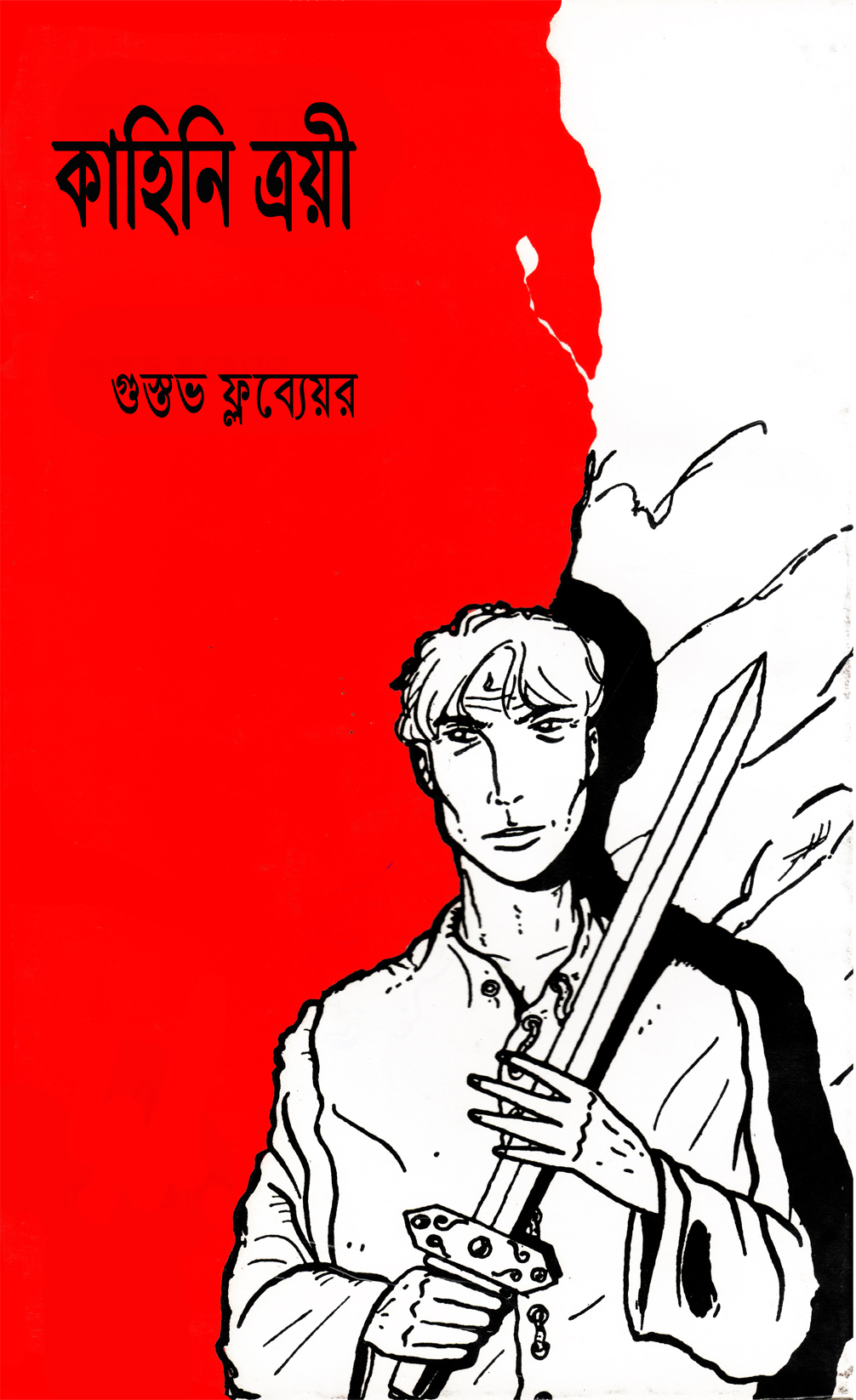
Kahini Troyee is a collection of three short stories by French writer Gustave Flaubert, first published in 1877. The stories exemplify Flaubert’s narrative precision, his exploration of human emotions, and his mastery of style. The book is a direct translation from French.

Marubhumi (The Desert) by Jean-Marie Gustave Le Clézio is a novel set in the Sahara Desert, focusing on the life of a young girl named Nour and her family. The book explores themes of survival, identity, and the clash between tradition and modernity as they confront colonization and change. Le Clézio’s poetic writing vividly portrays the desert’s beauty and harshness, reflecting on the human connection to nature and the emotional voids people experience. It’s a meditation on exile, belonging, and the impact of history on individuals and cultures.

When Daddy Was a Little Boy by Alexander Raskin is a charming and whimsical collection of stories that captures the innocence and humor of childhood through the eyes of a father. The story begins with Sasha, a young girl who, when ill, discovers that her Daddy was once little, just like herself. Fascinated by this revelation, Sasha repeatedly asks her Daddy to share stories of his childhood, each time hearing a new and funny tale about his adventures or those of other little boys he knew. These tales, full of humor and warmth, illustrate the timeless nature of childhood experiences, showing that all daddies were once little boys with their own funny and memorable moments. The book is a delightful exploration of family bonds, memory, and the universal joys of growing up.


Seine Theke Ganga is a direct Bengali translation of André Velter's poems on India, selected from his works written between 1990 and 2012. This collection captures Velter's poetic reflections on India. Through his vivid imagery and lyrical meditations, Velter explores the spiritual, cultural, and philosophical depths of India. Translated from French to Bengali, this anthology brings to life the beauty and complexity of Velter’s vision, offering Bengali readers an intimate look at his fascination with India.
The book was given France's prestigious awards Prix Malarme and Prix Goncourt de poesie.

Bitna by Nobel laureate J.M. Gustave Le Clézio is a captivating tale of resilience, dreams, and survival in modern-day Seoul. Bitna, a young girl escaping her rural past, navigates the bustling city and the complexities of human relationships while sharing stories of those around her. Translated into Bengali by Professor Chandan Adhya, this poignant narrative explores the power of storytelling and the strength to rise above life’s hardships. A deeply moving and imaginative novel that offers readers a fresh perspective on urban life and human connection.



Meet Hottabych: a grumpy, ancient genie who’s been trapped in a bottle for centuries, and Vova: a clever young boy who accidentally sets him free. In The Old Genie Hottabych by Lazar Lagin, an ordinary day turns extraordinary when Vova’s wish unleashes a magical whirlwind of mischief, adventure, and unforgettable moments. Hottabych’s magic knows no bounds, but his old-fashioned ways clash hilariously with the modern world, causing chaos wherever he goes. Packed with humor, heart, and magical mayhem, this timeless classic is perfect for readers of all ages who believe in the power of friendship, freedom, and the most unexpected wishes. Get ready for a magical ride you’ll never forget!
The story has been translated into Bengali by Smt. Moitrali Mukhopadhyay.

Two Captains by Veniamin Kaverin is an unforgettable tale of adventure, devotion, and the pursuit of truth. When young Sergey Grigoryev learns about the legendary Captain Tatarinov, a fearless explorer lost in the Arctic, he becomes determined to uncover the captain's fate. As Sergey grows, his journey becomes one of self-discovery, inspired by Tatarinov’s unwavering courage and sense of purpose. Through love, loss, and daring ambition, Sergey’s quest reveals the power of perseverance and the bonds that shape us. Rich with history and emotion, Two Captains is a timeless classic that will captivate readers who believe in the transformative power of dreams.
The book has been translated into Bengali by Atip Sarkar.

Documenting the landscape of contemporary France, the author David Foenkinos unfurls the characteristics of French society, as well as the many dilemmas and dichotomies within the minds of its people. The book has been translated into Bengali by Paromita Gangopadhyay Das.
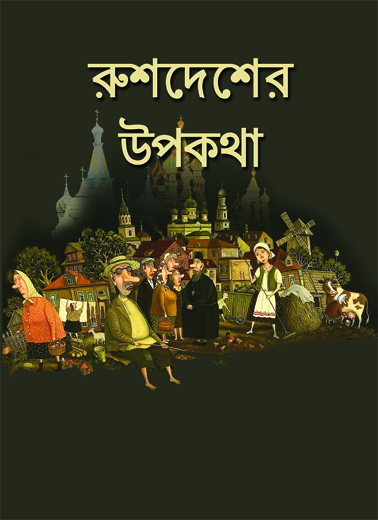
"Rushdesher Upakatha" (The Tale of Russia) by Nani Bhoumik is a Bengali book that offers an insightful exploration of Russia's history, culture, and politics. Written from an Indian perspective, it combines travelogue, historical analysis, and political commentary. The book examines Russia's societal transformations, from the Soviet era to its post-Soviet challenges, highlighting the impact of key events like the October Revolution and Stalin's regime. Bhoumik also reflects on India-Russia relations, providing a comprehensive view of the country’s evolution and its influence on the world.