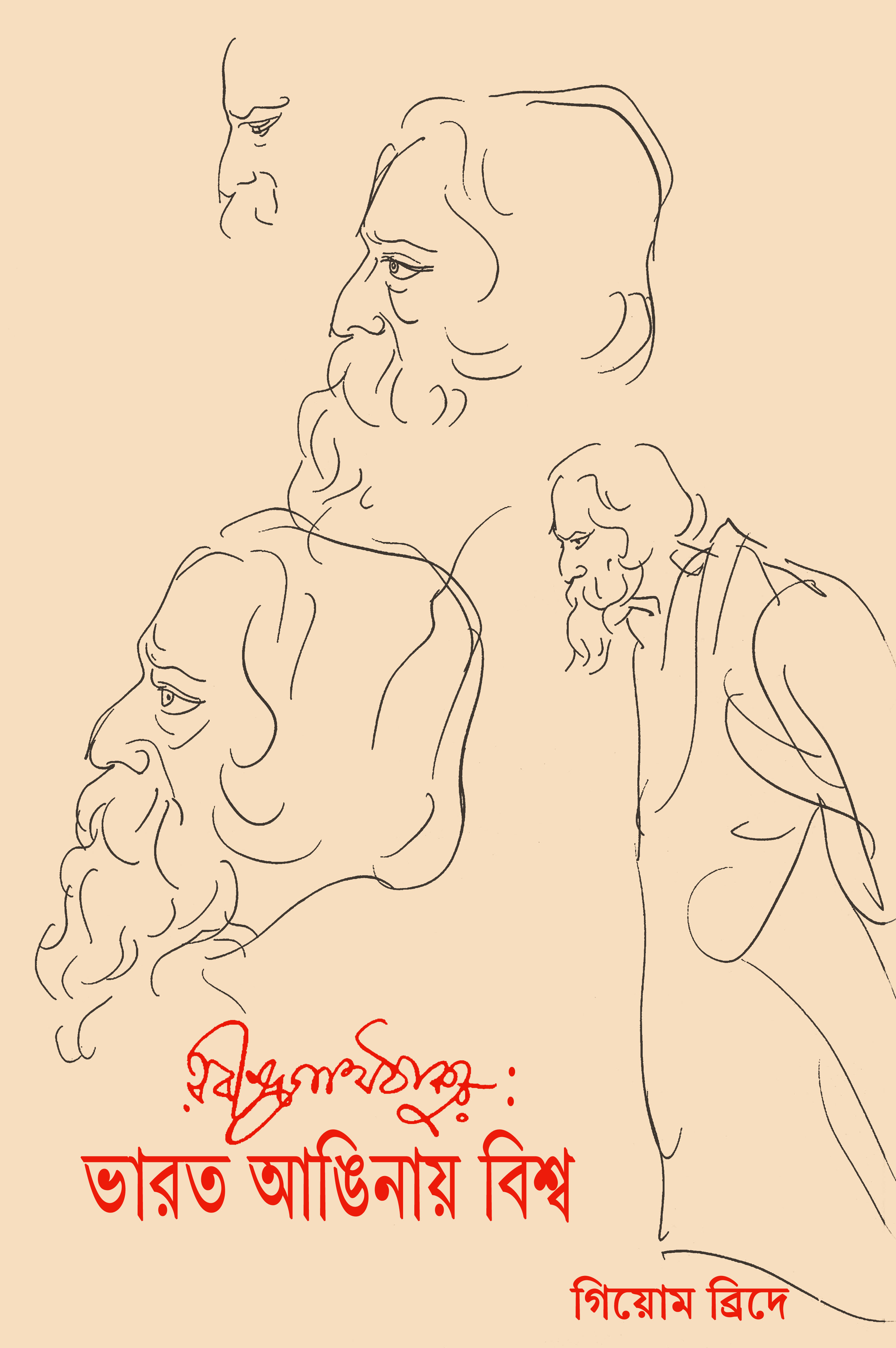

The book is a collection of essays by French professor Guillaume Bridet on his research on the literature, life, and philosophy of Rabindranath Tagore. The essays in the book are essentially the lectures that he delivered during his visit to India, on the occasion of the release of his book Rabindranath Tagore: Bharat Anginay Bishwa, regarding Tagore's place in the context of the larger world.
The collection of essays touches upon Tagore's relationship with Europe and the world, as well as his vision of a cosmopolitical era where the idea of humanity overrides that of the nation-state.

After the death of her father, Nina finds herself standing at the threshold of a new life. Though grief changes her deeply, she is determined to preserve the tenderness, wonder, and sense of awe that have always defined her spirit.
Through the power of the written word, she intertwines her own journey with the memory of her father, capturing the moments, emotions, and enduring bond they shared. Grand Seigneur is a poignant tribute to love, loss, and remembrance, and a heartfelt exploration of how memories keep those we cherish alive within us.
The book has been honored with three literary awards, recognizing its emotional depth and literary excellence.
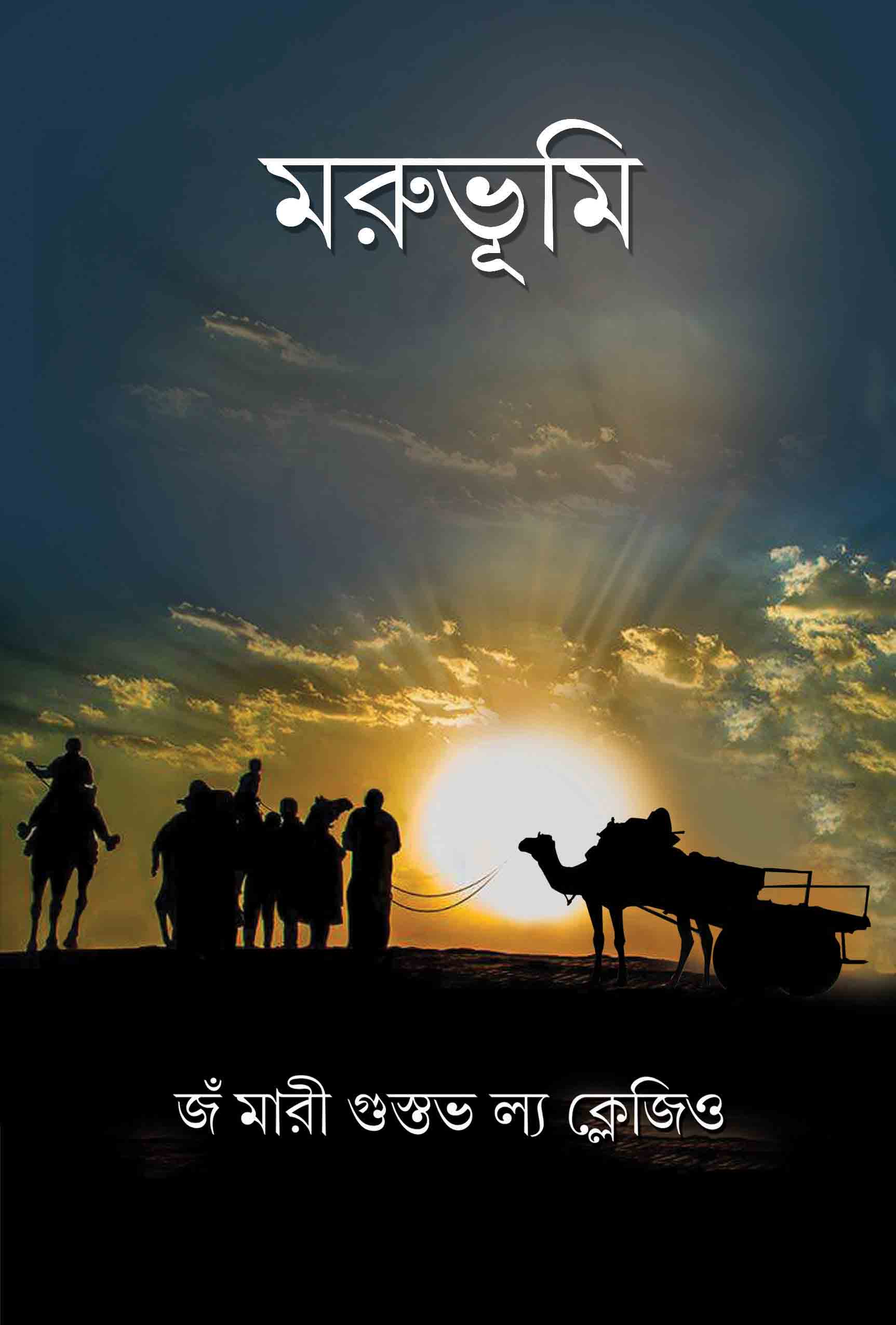
Marubhumi (The Desert) by Jean-Marie Gustave Le Clézio is a novel set in the Sahara Desert, focusing on the life of a young girl named Nour and her family. The book explores themes of survival, identity, and the clash between tradition and modernity as they confront colonization and change. Le Clézio’s poetic writing vividly portrays the desert’s beauty and harshness, reflecting on the human connection to nature and the emotional voids people experience. It’s a meditation on exile, belonging, and the impact of history on individuals and cultures.


Documenting the landscape of contemporary France, the author David Foenkinos unfurls the characteristics of French society, as well as the many dilemmas and dichotomies within the minds of its people. The book has been translated into Bengali by Paromita Gangopadhyay Das.