Originally written in French by Shumona Sinha, translated into Bengali by Professor Chandan Adhya
In Calcutta, Shumona Sinha traces the shifting soul of a city through the eyes of a woman raised in a household shaped by the fiery ideals of the 1970s Naxalite movement. Her father, once deeply involved in the struggle, raised her on revolutionary ideals. But the woman came of age in the 1990s– a time when the Left in Bengal was losing ground, and the city’s ideological fire was slowly fading. Years later, now living in France, she returns to her ancestral home in a changed Calcutta around 2025. There, she stumbles upon a revolver hidden beneath her father’s bed—an unsettling symbol of a past that refuses to fade. What she finds is a city torn between its revolutionary legacy and a growing obsession with religion, rituals, and shallow displays of piety. As political forces clash and spiritual spectacles take centre stage, she tries to make sense of how Calcutta became Kolkata. A haunting and reflective novel, Calcutta: Kolkata is both a personal and political exploration of memory, identity, and the transformation of a city over time.
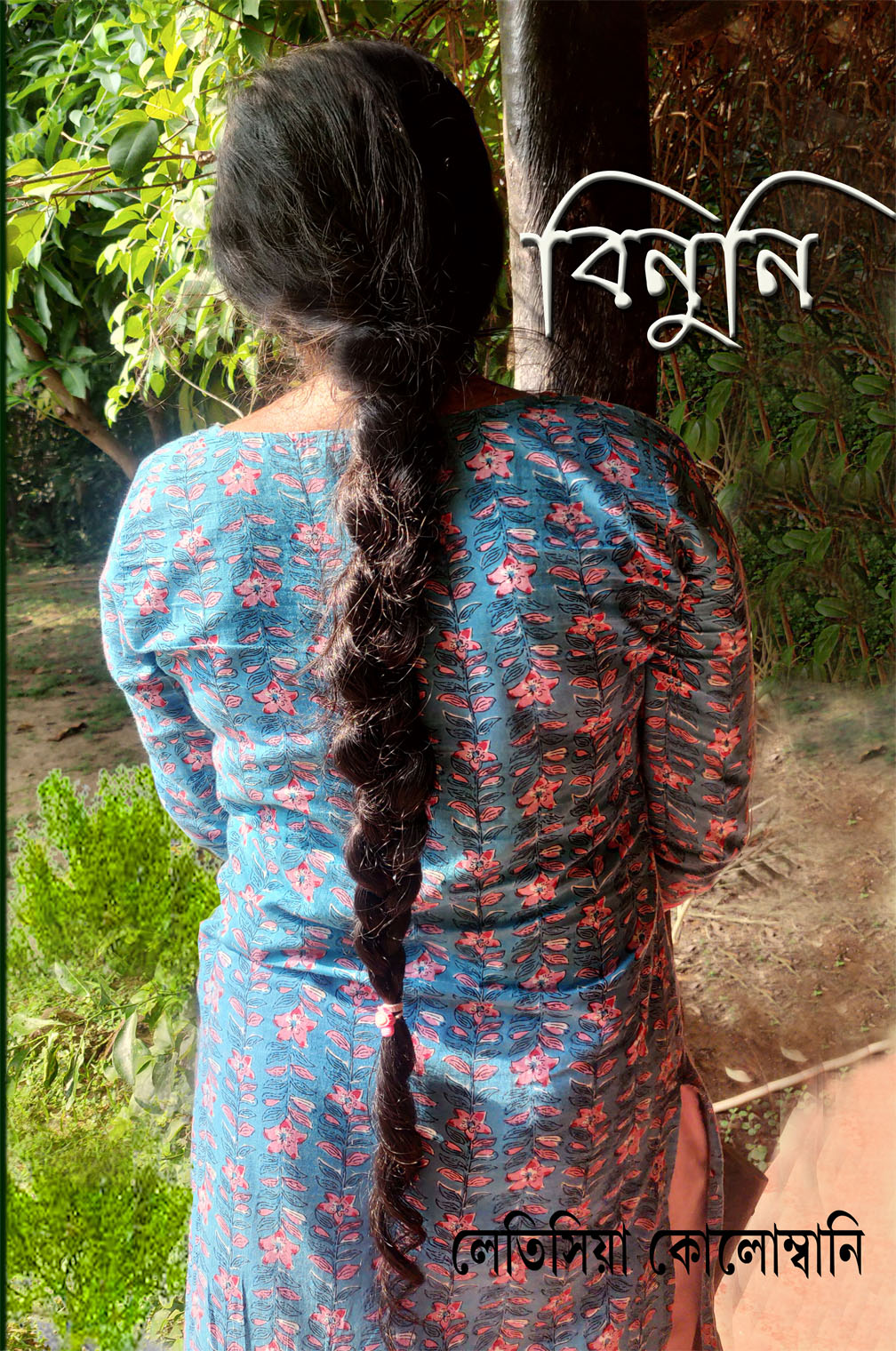
Originally written in French by Laetitia Colombani; translated into Bengali by Kanchana Mukhopadhyay
The novel La Tresse follows the lives of three women from different parts of the world — Smita from India, Julia from Italy, and Sarah Cohen from Canada. Each of them struggles daily to survive, assert her rights, and establish her identity. Though they come from different backgrounds, their stories are intricately woven together in a way that mirrors the braiding of hair — a powerful symbol of connection and resilience. The result is a moving narrative about strength, perseverance, and the shared spirit of women everywhere. Internationally acclaimed, La Tresse has also been adapted into a film by the author. This is a unique and unforgettable story that celebrates the quiet victories of everyday women across the globe.
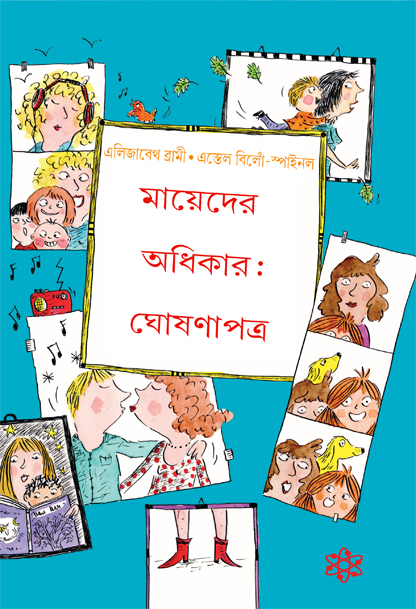
Originally written in French by writer duo Elisabeth Brami and Estelle Billon-Spagnol; translated into Bengali by Kanchana Mukhopadhyay
For generations, Indian women have been expected to play the roles of devoted daughter, wife, mother, and grandmother, often at the cost of their own identities. Even today, mothers are rarely seen as individuals with their own needs, especially when their children are young. Mayeder Adhikar challenges this deeply ingrained conservative mindset. It asserts that mothers deserve to be treated as human beings first, with rights that must be respected by all--even their children. These aren’t just constitutional entitlements, but fundamental human rights rooted in empathy.
Recognised by Amnesty International (UNESCO), this powerful book—part of a series that began with Meyeder Adhikar—is a must-read for children, parents, and anyone seeking to build a more sensitive and equitable world.