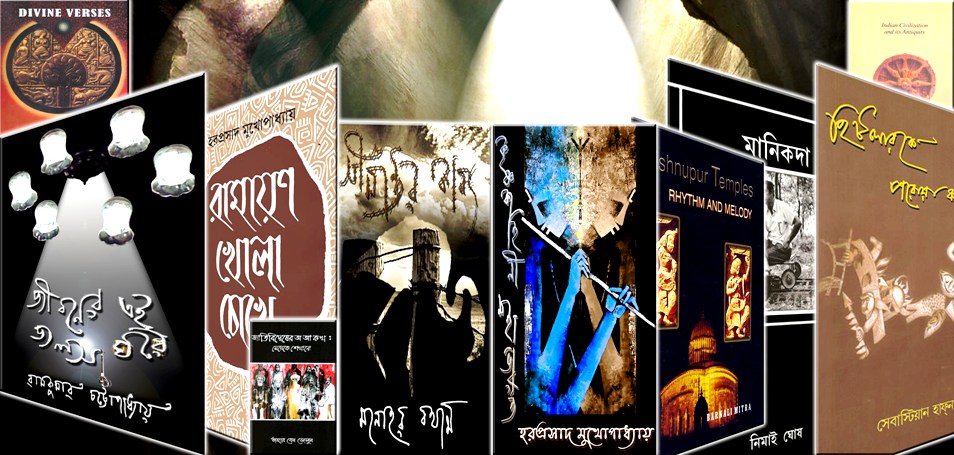
Welcome to Bingsha Shatabdi, a cosy bookstore and café located in the heart of Kolkata's vibrant Park Street. We offer a thoughtfully curated collection of books, including translations of French, German, and Dutch literature, alongside an extensive range of children’s books. Whether you're a passionate reader or a casual visitor, our warm, inviting atmosphere is the perfect place to unwind and explore. Enjoy a cup of coffee while you browse through our diverse selection, which caters to readers of all tastes and ages. At Bingsha Shatabdi, we are more than just a bookstore – we are a space where literature, culture, and conversation come together, creating a unique experience for all who visit.
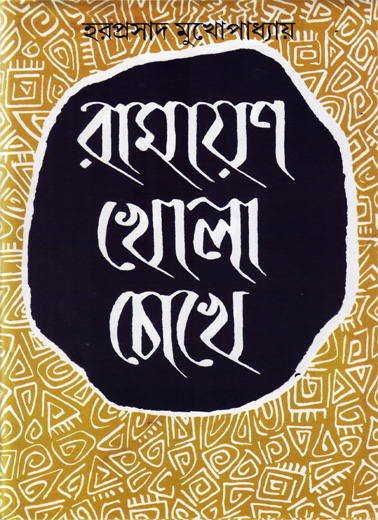
Ramayana Khola Chokhe by Haraprasad Mukhopadhyay is a Bengali analytical work that explores the Ramayana with a fresh and critical perspective. The book aims to go beyond the traditional reverence associated with the epic and offers a rational and thought-provoking analysis of its characters, events, and societal implications. Haraprasad Mukhopadhyay examines the Ramayana from multiple angles, addressing the historical, mythological, and cultural dimensions of the text. He questions certain moral and ethical aspects of the epic, providing readers with insights into its relevance in the modern world.

A major writer of French Literature, Tournier always questioned the archetype of occidental wisdom. This book is a compilation of translations of Michel Tournier's famous stories, including "Bonmorog", "Mata Santa Claus", "Fetish", "Baghini", and many others. This book has been translated by Dr. Kanchana Mukhopadhyay and is the first Indian translation of his unique stories.

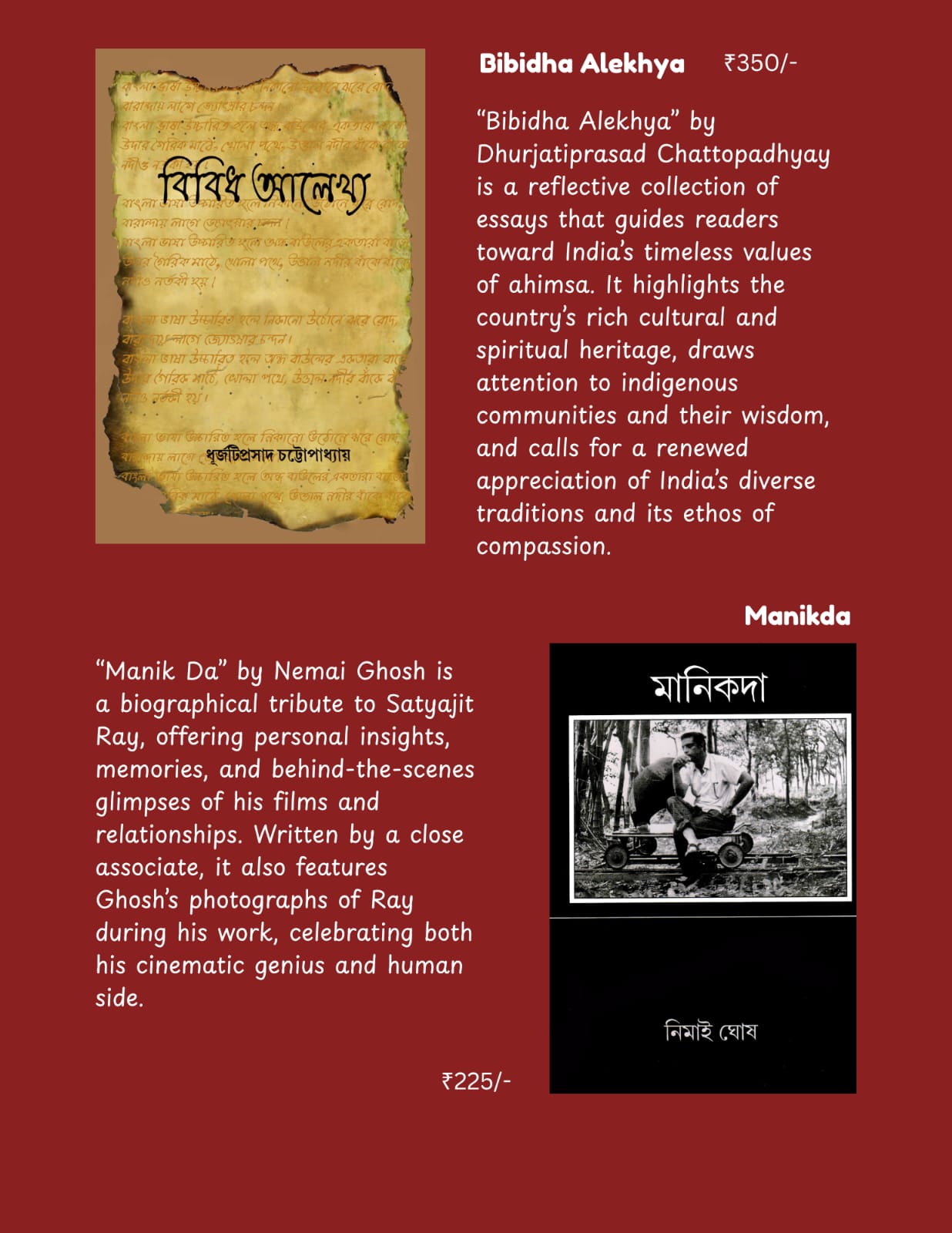
Manik Da by Nemai Ghosh is a biographical work that explores the life and legacy of Satyajit Ray, one of India’s greatest filmmakers, often affectionately called "Manik Da." The book is a collection of insights, memories, and experiences shared by the author, who was a close associate and friend of Ray. The book provides readers with a behind-the-scenes look at Ray’s films, his relationships with colleagues, and his deep influence on Indian cinema. It also includes Ghosh’s photographic documentation of Ray, offering visual glimpses of the director during the production of his masterpieces. The book celebrates Ray’s genius while also highlighting his human side, making it a valuable tribute to a cinematic legend.
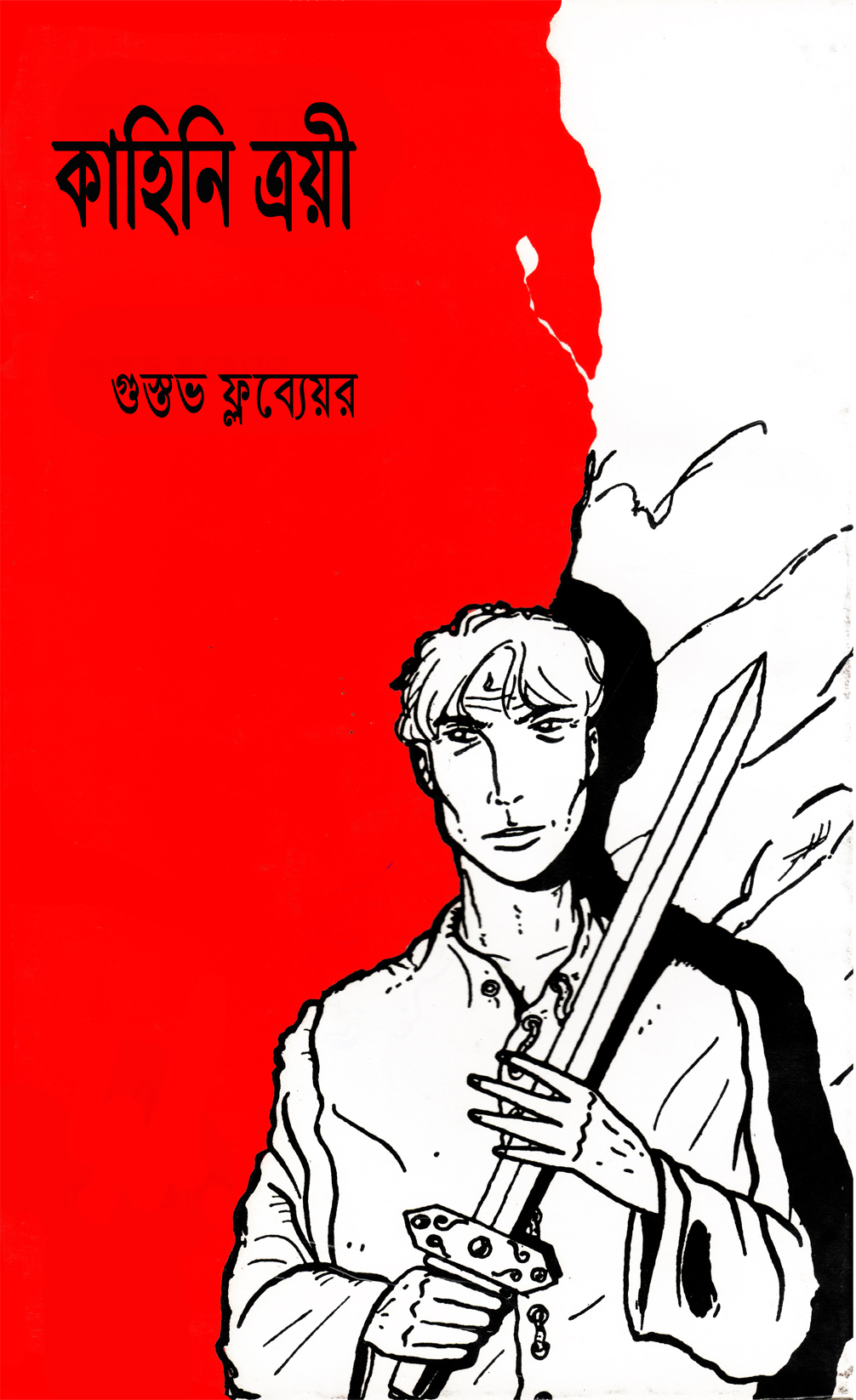
Kahini Troyee is a collection of three short stories by French writer Gustave Flaubert, first published in 1877. The stories exemplify Flaubert’s narrative precision, his exploration of human emotions, and his mastery of style. The book is a direct translation from French.
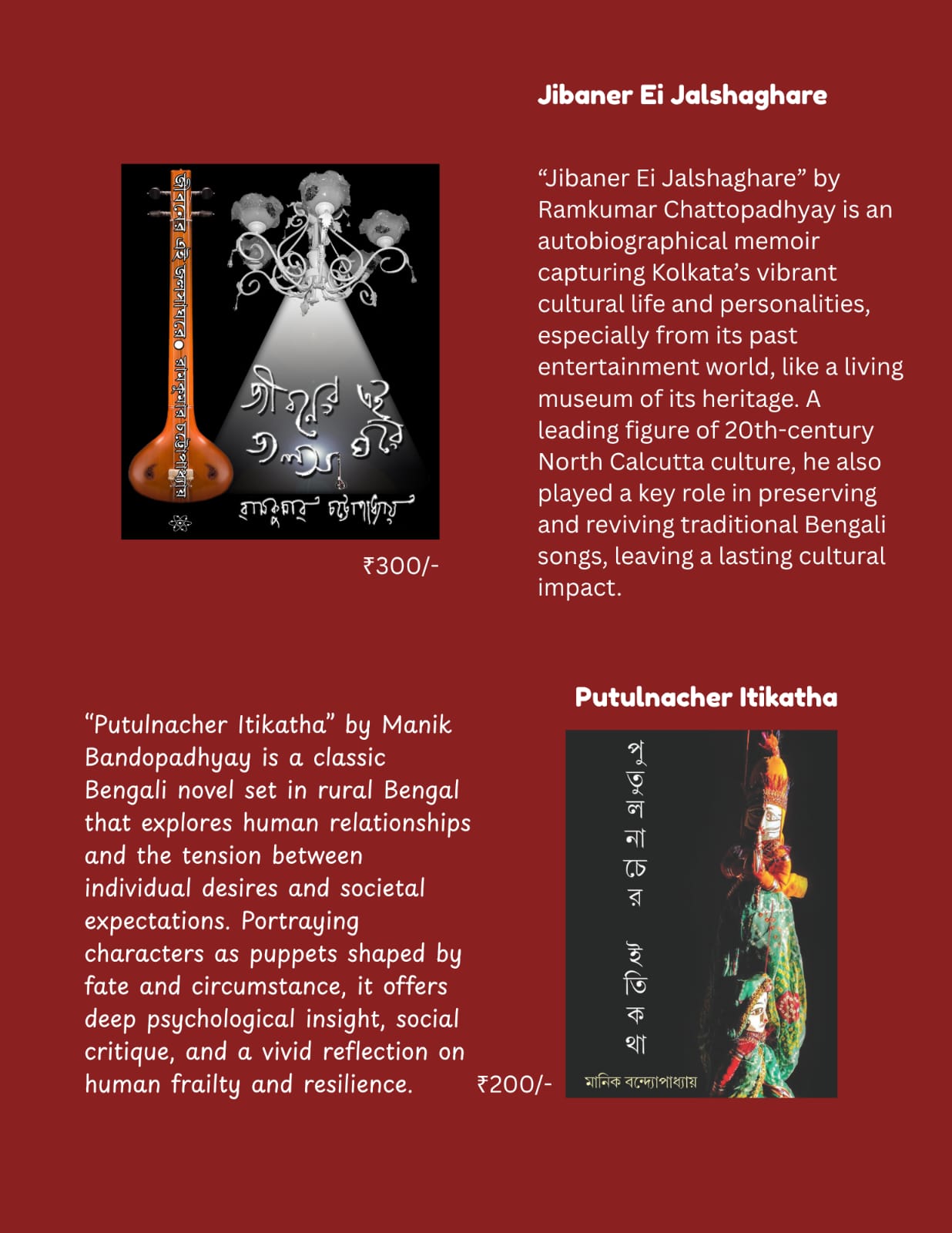




Jibaner Ei Jalshaghare by Ramkumar Chattopadhyay is an autobiographical memoir that offers a vivid glimpse into the cultural life of Kolkata, the cultural capital of India. Through the eyes of the legendary singer, the book allows readers to explore the vibrant aspects of the city and its memorable personalities, particularly in the context of the entertainment industry of a bygone era. It is like treading through a living museum, showcasing the rich traditions and cultural heritage of Kolkata. Ramkumar Chattopadhyay, a true representative of 20th-century North Calcutta culture, made significant contributions to the collection and revival of traditional Bengali songs. His immense impact on the cultural landscape of Bengal has immortalized him in the hearts of music lovers.

Marubhumi (The Desert) by Jean-Marie Gustave Le Clézio is a novel set in the Sahara Desert, focusing on the life of a young girl named Nour and her family. The book explores themes of survival, identity, and the clash between tradition and modernity as they confront colonization and change. Le Clézio’s poetic writing vividly portrays the desert’s beauty and harshness, reflecting on the human connection to nature and the emotional voids people experience. It’s a meditation on exile, belonging, and the impact of history on individuals and cultures.


Seine Theke Ganga is a direct Bengali translation of André Velter's poems on India, selected from his works written between 1990 and 2012. This collection captures Velter's poetic reflections on India. Through his vivid imagery and lyrical meditations, Velter explores the spiritual, cultural, and philosophical depths of India. Translated from French to Bengali, this anthology brings to life the beauty and complexity of Velter’s vision, offering Bengali readers an intimate look at his fascination with India.
The book was given France's prestigious awards Prix Malarme and Prix Goncourt de poesie.
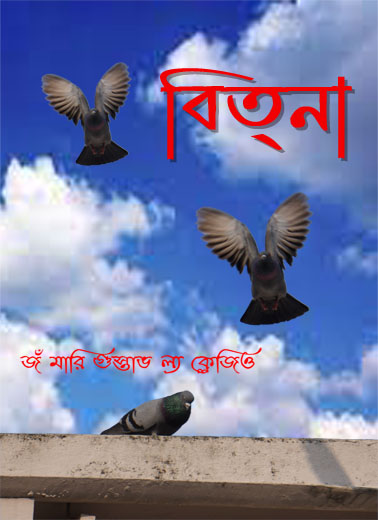
Bitna by Nobel laureate J.M. Gustave Le Clézio is a captivating tale of resilience, dreams, and survival in modern-day Seoul. Bitna, a young girl escaping her rural past, navigates the bustling city and the complexities of human relationships while sharing stories of those around her. Translated into Bengali by Professor Chandan Adhya, this poignant narrative explores the power of storytelling and the strength to rise above life’s hardships. A deeply moving and imaginative novel that offers readers a fresh perspective on urban life and human connection.

Putul Nacher Itikotha is a timeless Bengali classic by celebrated author Manik Bandopadhyay. This novel delves into the complexities of human relationships and the struggle between individual desires and societal expectations. Set in rural Bengal, it explores the lives of its characters, who are like puppets ("putul") manipulated by fate and circumstances. With its deep psychological insight, social critique, and vivid portrayal of village life, Putul Nacher Itikotha is a masterful reflection on human frailty and resilience. A must-read for those interested in exploring the profound realities of life in early 20th-century Bengal.


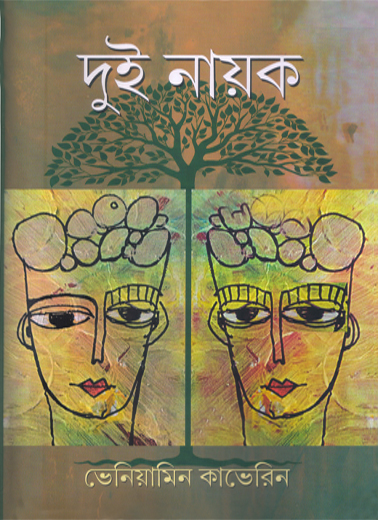
Two Captains by Veniamin Kaverin is an unforgettable tale of adventure, devotion, and the pursuit of truth. When young Sergey Grigoryev learns about the legendary Captain Tatarinov, a fearless explorer lost in the Arctic, he becomes determined to uncover the captain's fate. As Sergey grows, his journey becomes one of self-discovery, inspired by Tatarinov’s unwavering courage and sense of purpose. Through love, loss, and daring ambition, Sergey’s quest reveals the power of perseverance and the bonds that shape us. Rich with history and emotion, Two Captains is a timeless classic that will captivate readers who believe in the transformative power of dreams.
The book has been translated into Bengali by Atip Sarkar.

Documenting the landscape of contemporary France, the author David Foenkinos unfurls the characteristics of French society, as well as the many dilemmas and dichotomies within the minds of its people. The book has been translated into Bengali by Paromita Gangopadhyay Das.
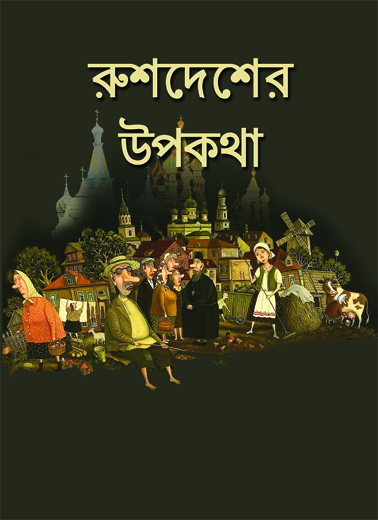
"Rushdesher Upakatha" (The Tale of Russia) by Nani Bhoumik is a Bengali book that offers an insightful exploration of Russia's history, culture, and politics. Written from an Indian perspective, it combines travelogue, historical analysis, and political commentary. The book examines Russia's societal transformations, from the Soviet era to its post-Soviet challenges, highlighting the impact of key events like the October Revolution and Stalin's regime. Bhoumik also reflects on India-Russia relations, providing a comprehensive view of the country’s evolution and its influence on the world.